When a diamond tool stops cutting the way it should, replacing it right away may not be the best answer. A tool can slow down because of wear, the wrong bond, poor cutting conditions, or a glazed surface that keeps fresh diamonds from working properly.
Knowing what to check first can save time, reduce wasted tooling, and help you get better results from the equipment you already have.
Why Do Cutting Tools Stop Cutting?
Diamond tooling works by exposing sharp diamond particles as the bond around them wears away. When that process doesn’t happen at the right rate, the tool can lose its cutting ability.
One common problem is glazing. A glazed diamond blade or grinding tool can develop a smooth surface that keeps fresh diamonds from contacting the material. The tool may still look usable, but it can cut much more slowly and require more pressure.
The material itself also matters. The bond should match the concrete’s hardness. Hard concrete generally calls for a softer bond, while softer concrete calls for a harder bond. That’s why using the wrong tooling can cause poor cutting and faster wear.
What Are the Signs That a Tool Needs Attention?
A tool that takes longer to cut, requires more pressure, or produces more heat may need attention. You may also notice rougher cuts or a change in the way the tool sounds during use.
For diamond blades, a shiny or polished segment surface can point to glazing. A glazed surface means the diamonds are not being exposed properly.
Before assuming the tool is worn out, inspect it. Check the segments, blade condition, mounting, and the way the tool is being used.
How Can You Check the Tool Before Replacing It?
Start with the tool itself. Look for excessive wear, damaged segments, cracks, or other visible problems. If the tool looks structurally sound, check the equipment and cutting conditions.
For diamond tooling, make sure the tool matches the material you are cutting. Bond selection is tied closely to concrete hardness.
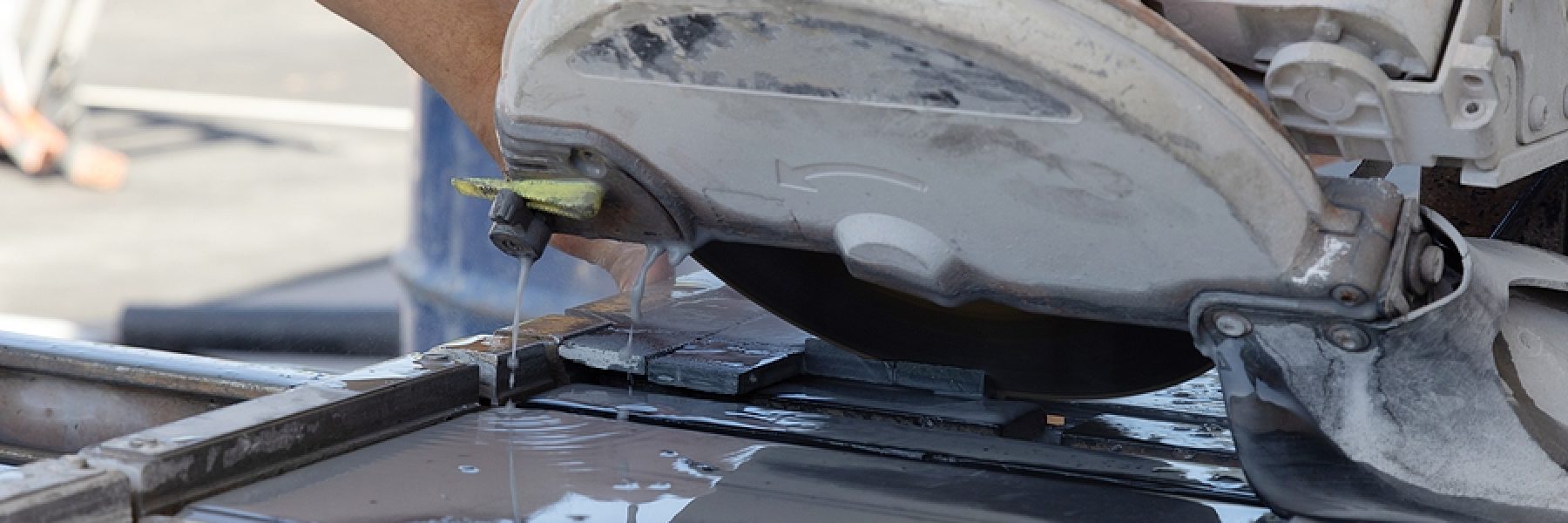
For wet cutting, check that water is reaching the cutting area. Poor cooling can lead to excess heat and tool damage. Also check that the tool is mounted correctly and that the machine is operating at the proper speed.
These simple checks can help separate a tooling problem from an equipment or application problem.
How Can You Restore a Tool That Has Stopped Cutting?
If a diamond blade has glazed, dressing may restore its cutting action. Dressing removes the surface material that has covered the diamonds and helps expose fresh cutting particles. Experts recommend using an abrasive material to open up a glazed blade.
The same basic idea applies to diamond grinding tools. The goal is to expose fresh diamond instead of forcing a tool that is rubbing rather than cutting.
Do not keep pushing harder when a tool stops cutting. Excess pressure can create more heat and place extra stress on both the tooling and the machine.
How Does the Material Affect Cutting Performance?
The material you cut directly affects tool performance. Hard concrete can wear tooling differently than soft, abrasive concrete. That’s why bond selection matters so much.
Hard-bond tooling suits softer concrete, while softer-bond tooling is used on harder concrete.
The same idea applies when selecting diamond tooling for different applications. A tool that works well on one surface may not be the right choice for another.
If your tooling repeatedly slows down on the same type of material, the problem may be the tool specification rather than the tool’s age.
When Should You Stop Trying to Restore a Tool?
Dressing can’t fix every problem. Replace a tool when the segments are badly worn, damaged, or missing. A cracked or warped blade should also be taken out of service.
The goal is not to keep an old tool running at any cost. It is to recognize when maintenance can restore performance and when the tool has reached the end of its useful life.
A good inspection can help you make that decision before poor performance turns into a larger equipment or job-site problem.
How Can You Keep Your Tools Cutting Longer?
Good tooling selection and proper use can help reduce premature wear. We recommend matching the tooling bond to the concrete hardness and choosing the right grit for the job.
Avoid excessive pressure and make sure wet-cutting tools receive proper cooling. Clean tools after use and inspect them regularly so small problems don’t become bigger ones.
It also helps to choose tooling based on the actual job rather than trying to use one tool for every material. When a tool stops cutting, take a moment to find out why. It may need dressing, a different bond, better cutting conditions, or simply replacement. A quick inspection can help you avoid throwing away a tool that still has useful life left.
Are Your Tools Just Worn, Or Finished?
ACE Diamond Tooling offers metal grinding tooling, PCD tooling, and resin bond polishing tooling for different stages of concrete surface preparation and polishing.
We can help you find the right concrete polishing products and replacement parts for your company’s tooling needs. Contact us at (720) 464-5542 (or info@acediamondtooling.com) and consult with our experts to find what you need.