Concrete grinding can prepare a floor for polishing, coating, repair, or a new finish. The right grinder and diamond tooling can speed up the work and produce a better surface. The wrong choices can lead to poor cutting, worn tools, damaged concrete, and extra labor.
Knowing the most common concrete grinding mistakes can help you avoid those problems before work begins.
What Are the Most Common Concrete Grinding Mistakes?
One of the biggest mistakes is choosing diamond tooling without considering the concrete. Diamond tools come in different grit sizes, segment styles, and bonds. Each option affects how the tool cuts and how long it lasts.
We offer metal bond tooling in different grit and bond options for concrete grinding. Lower grit numbers provide a more aggressive cut, while higher grits leave a finer scratch pattern. The bond should also match the concrete’s hardness.
Another common mistake is starting work without checking the floor. Before turning on the grinder, look for bumps, holes, coatings, cracks, joints, and other surface conditions. Raised areas and deep holes can affect the machine and the grinding pattern.
How Does Choosing the Wrong Diamond Bond Cause Problems?
The bond holds the diamond particles in the grinding segment. It needs to match the concrete hardness.
Hard concrete generally needs a softer bond so the diamonds can wear and expose fresh cutting points. Soft concrete generally needs a harder bond so the tool does not wear too quickly. ACE Diamond Tooling offers bond options based on floor hardness, from hard bonds for softer concrete to extra-soft and super-soft bonds for harder floors.
The wrong bond can cause slow cutting, excess wear, or a tool that doesn’t cut properly. If you are unsure about the floor, test a small area before committing to a full grinding pass.
For more information on this topic, see our previous blog post, Which Bond Works Best in Concrete Grinding Products?
Why Should You Inspect the Concrete Before Grinding?
A grinder does not know what is under the tooling. The operator needs to check the floor first.
Inspect the surface for high spots, pits, old coatings, glue, paint, cracks, and repairs. Some coatings may require PCD tooling instead of standard metal bond diamonds. We also carry PCD tooling for removing materials such as epoxy, paint, glue, mastic, and other coatings.
A floor inspection also helps you choose the right grit and segment style. Taking a few minutes to check the surface can prevent unnecessary tool wear and surface damage.
How Can Grinding Speed Affect the Final Result?
Moving the grinder too quickly can leave an uneven surface and make it harder for the diamonds to cut properly. Rushing can also put extra stress on the machine and tooling.
Keep the machine moving at a steady pace and let the diamonds do the cutting. If the grinder is not cutting well, changing speed alone may not solve the problem. The bond, grit, tooling style, concrete hardness, and machine can all affect the result.
Skipping grit steps can create another problem. Each grit should remove the scratches left by the previous step. We recommend moving through grit sizes in a controlled sequence rather than skipping too far ahead.
What Happens When Concrete Dust Is Not Controlled?
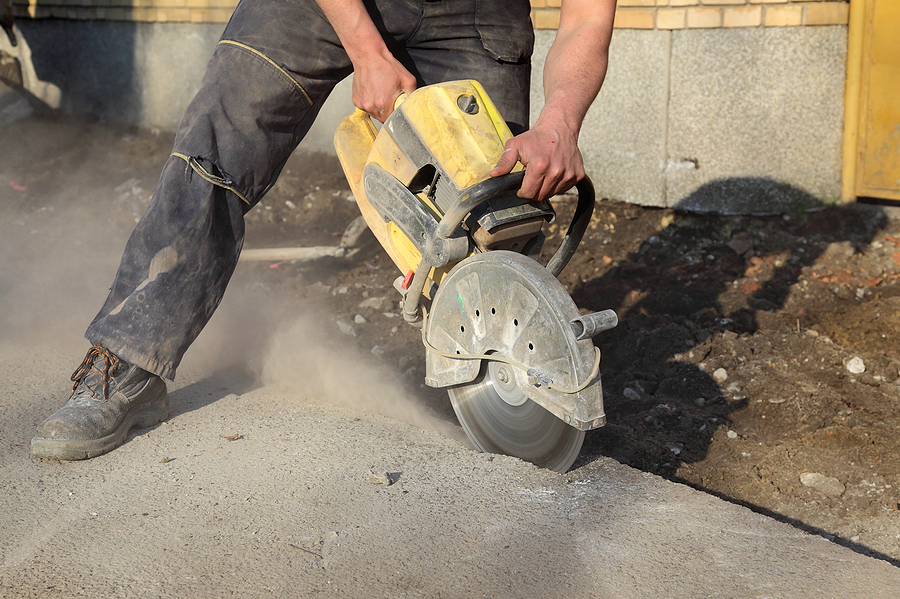
Concrete grinding creates fine dust that can contain silica. Without proper dust control, that dust can spread through the work area and create a serious respiratory hazard.
Use the dust collection system recommended for your grinder and wear the required protective equipment. Wet grinding may also be an option for certain jobs, but you must handle the resulting slurry properly.
Good dust control also keeps the work area cleaner and can make it easier to see the floor while grinding.
How Can You Avoid Costly Grinding Mistakes?
Good results start with the right tooling and a clear understanding of the floor. Check the concrete before grinding, choose the bond based on hardness, select the right grit, and use tooling that fits the machine.
Concrete grinding does not have to be difficult, but small mistakes can cost time and tooling. A careful floor inspection and the right diamond tools can help you get a cleaner cut and a more consistent result.
Ace Diamond Tooling can help you find the right concrete polishing products for your company’s needs. We carry metal bond grinding tools, PCD tooling, polishing pads, cup wheels, and other options for concrete grinding, surface preparation, coating removal, and polishing. Concrete grinding professionals also field-test our tooling.
Contact us at (720) 464-5542 (or info@acediamondtooling.com) and consult with our experts to find the right tools for your company’s projects.