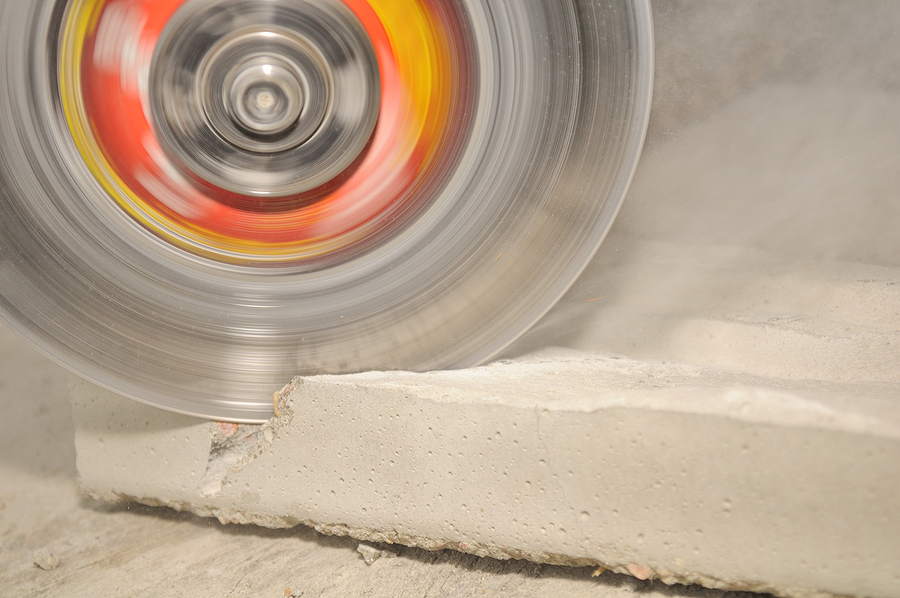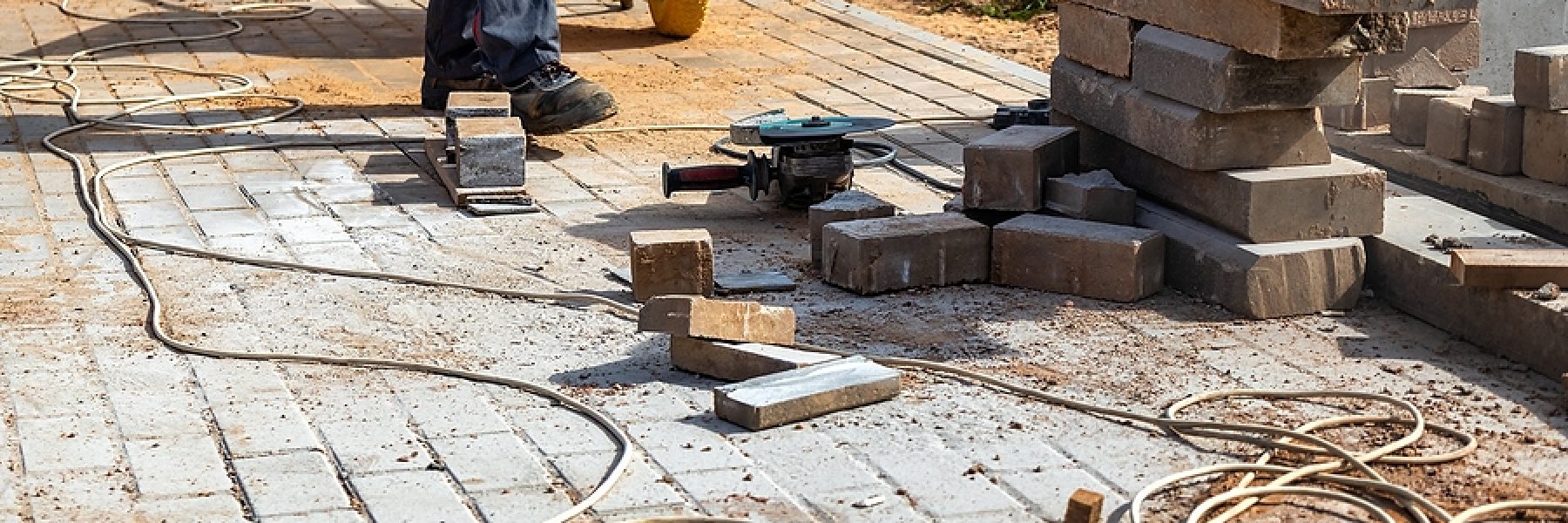
Large concrete jobs leave little room for mistakes. Whether you are preparing a warehouse floor, repairing a bridge, or cutting expansion joints in a parking structure, every part of the job depends on reliable equipment. One of the biggest factors is choosing the right diamond tooling system.
Diamond tools are built for demanding work, but not every blade, cup wheel, or grinding tool performs the same way. Matching your tooling to the material, equipment, and job conditions can help your crew finish work on schedule while reducing wear on both the tools and the machines.
Why Does Tool Selection Matter for Large Projects?
Large projects often cover thousands of square feet or involve long hours of cutting, grinding, or polishing. Using the wrong tooling can slow production, increase replacement costs, and leave behind poor results.
A well-matched diamond tooling system helps equipment cut smoothly, removes material at a steady rate, and produces a consistent finish. It also reduces unnecessary strain on saws, grinders, and other machines.
When every hour on the job matters, dependable tooling can make a noticeable difference.
What Should You Consider Before Choosing Diamond Tooling?
Every project starts with understanding the surface you will be working on. Fresh concrete behaves differently than older concrete. Floors with heavy aggregate require a different bond hardness than those with softer materials. Asphalt, reinforced concrete, and decorative concrete each have their own demands.
Machine size also matters. A handheld grinder requires different tooling than a large planetary floor grinder or a high-horsepower concrete saw. Choosing tooling that matches the machine helps maintain steady performance throughout the project.
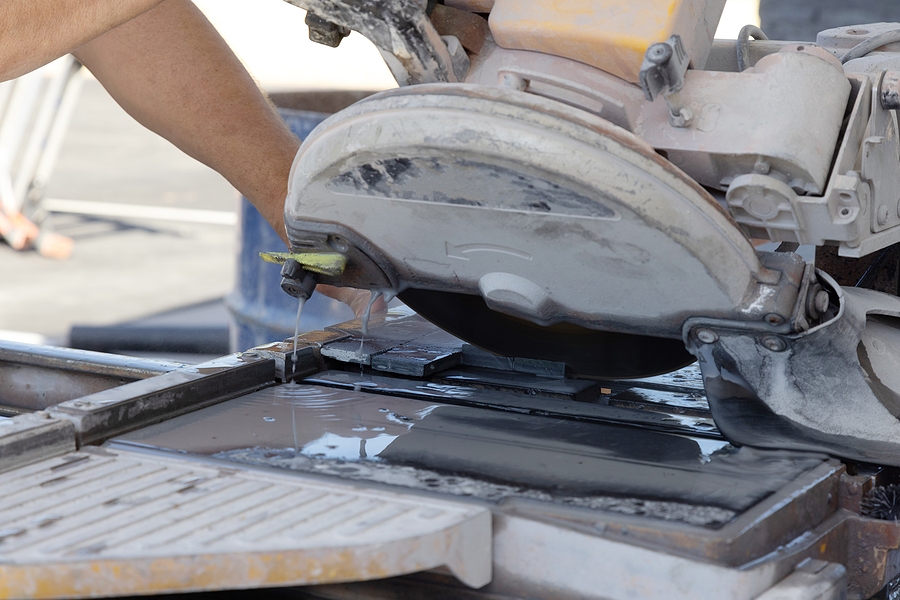
Environmental conditions should also be part of the plan. Indoor work may require dust control systems, while outdoor jobs may allow wet cutting to help control heat and extend tool life.
How Do Diamond Tooling Systems Improve Productivity?
Large projects often involve several stages. A crew may begin by removing coatings, continue with surface preparation, and finish with polishing or precision cutting. Changing tools for every stage can waste valuable time if the tooling system is not designed for quick changes.
Using compatible tooling systems allows crews to switch between applications with less downtime. The right combination of blades, grinding segments, and polishing tools helps maintain steady progress from the beginning of the project until the final cleanup.
Reliable tooling also produces more predictable results. When tools wear evenly, operators spend less time correcting uneven cuts or inconsistent finishes.
Why Is Bond Hardness So Important?
The diamonds in a tool perform the cutting, while the metal bond holds those diamonds in place. Bond hardness determines how quickly fresh diamonds become exposed during use.
Hard concrete generally works best with a softer bond because the bond wears away at the proper rate, exposing new diamonds. Softer concrete usually requires a harder bond so the tool does not wear out too quickly.
Selecting the correct bond helps crews avoid glazing, overheating, and premature tool replacement. It also keeps production moving without unnecessary interruptions.
How Can You Reduce Tool Wear on Large Jobs?
Planning can extend the life of your tooling. Before work begins, inspect machines to confirm they are operating correctly. Worn bearings, incorrect blade alignment, or damaged grinding plates can shorten tool life.
Operators should also avoid forcing equipment through the material. Letting the tool cut at its intended speed reduces heat and helps maintain consistent performance.
Regular cleaning is another simple habit that pays off. Dust, slurry, and debris can interfere with cutting and grinding if they build up on the tooling or equipment.
When Should You Replace Diamond Tools?
Waiting too long to replace worn tooling can affect both quality and productivity. Slow cutting speeds, rough finishes, increased vibration, and excessive heat are common signs that a tool has reached the end of its useful life.
Replacing tooling before performance drops too far helps crews stay on schedule. It also reduces stress on expensive equipment and helps produce cleaner results throughout the project.
Keeping replacement tools available can prevent unnecessary delays when a change becomes necessary.
Why Work With a Diamond Tooling Supplier That Knows the Industry?
Choosing diamond tooling involves more than selecting a blade from a catalog. Different projects call for different solutions, and experienced suppliers can recommend tooling based on the material, equipment, and production goals.
A knowledgeable supplier can also help troubleshoot problems such as glazing, uneven wear, or slow cutting speeds. That guidance can save both time and money over the course of a large project.
Reliable tooling, dependable inventory, and knowledgeable support give contractors greater confidence when taking on demanding jobs.
Choosing the Right System From the Start
Large concrete projects demand careful planning from the first cut to the final finish. The right diamond tooling system helps crews work more efficiently, produce consistent results, and reduce unnecessary downtime.
Whether the job involves concrete cutting, grinding, surface preparation, or polishing, selecting tooling that matches the material and equipment is one of the best ways to keep work moving and control long-term costs. Working with an experienced diamond tooling supplier can help you make informed decisions before the project begins, giving your crew the tools needed for dependable performance from start to finish.
Ace Diamond Tooling’s experts can help you find the right concrete polishing products for your projects and needs. Contact us at (720) 464-5542 (or info@acediamondtooling.com) for help choosing tools and products suitable for your company’s needs.