If your diamond tooling has plenty of segment material left but suddenly stops cutting, glazing may be the problem.
Diamond glazing happens when the metal bond covering the diamonds does not wear away fast enough. The diamonds become covered or polished over instead of exposing fresh cutting edges. The tooling may look usable, but it can feel like it has stopped working.
This can happen when the tooling doesn’t match the concrete, the machine runs at the wrong speed, or there isn’t enough pressure during grinding.
What Is Diamond Glazing?
Diamond tooling works by exposing small diamond particles as the metal bond wears down. Those exposed diamonds scratch and remove material from the surface.
When the bond does not wear at the right rate, the diamonds stay buried. The segment surface can become smooth and shiny, and the tooling starts polishing the floor instead of cutting it.
Hard, dense concrete is a common cause. A bond that is too hard for the floor may not wear fast enough to expose new diamonds. Ace Diamond Tooling also notes that hard concrete generally needs a softer bond so the diamonds can stay exposed.
Why Does Diamond Tooling Glaze Over?
The most common cause is using the wrong bond for the material. Hard concrete can polish a bond that is too hard, while softer and more abrasive concrete can wear a soft bond too quickly. Matching the bond to floor hardness helps the tooling maintain the right wear rate.
Machine settings can also cause glazing. Running at the wrong RPM, using too little pressure, or moving too quickly across the floor can prevent the diamonds from getting enough contact with the material.
Machine weight matters, too. A light grinder may skate across very hard concrete instead of letting the diamonds bite into the surface. Consistent pressure helps the bond wear and exposes fresh diamonds.
How Can You Tell if Diamond Tooling Is Glazed?
A glazed tool often becomes slow before it stops cutting completely. You may notice longer grinding times, more heat, poor material removal, or a change in the scratch pattern.
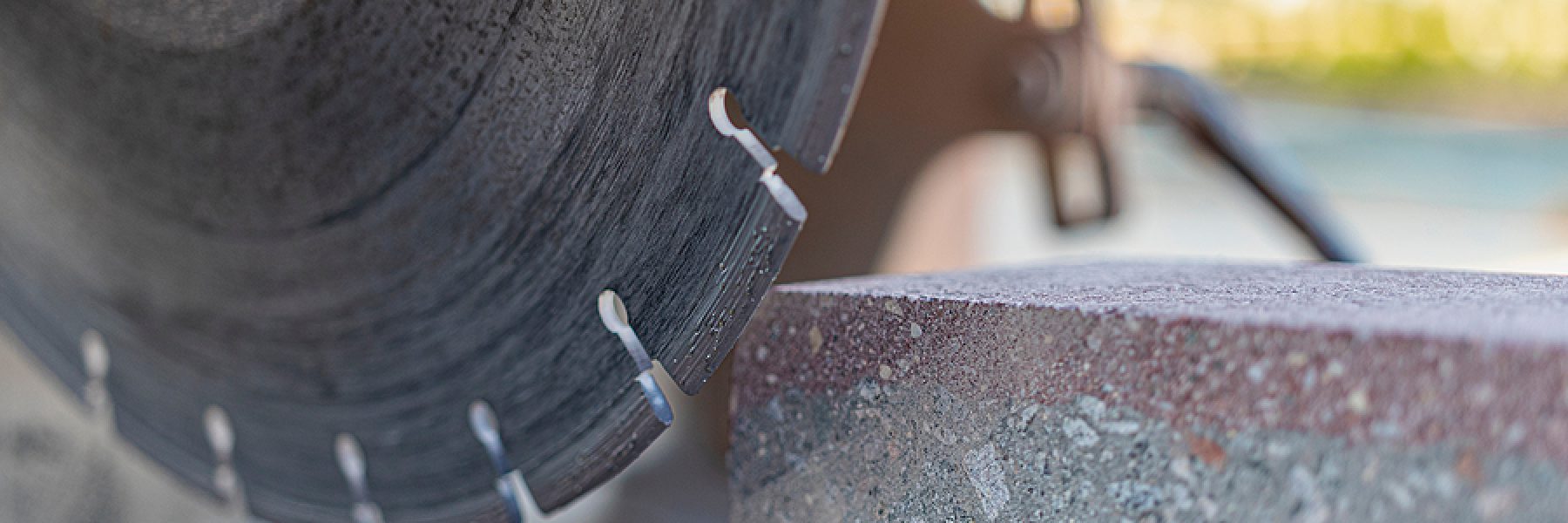
Look at the diamond segments when the tool is removed from the machine. A glazed segment can look smooth, shiny, or polished. Fresh diamond exposure should give the segment a more open cutting surface.
Also check for other problems before assuming the tooling is glazed. Verify the tool is mounted correctly, the machine runs at the proper RPM, and water reaches the cutting area when using wet tooling. Misalignment and uneven water flow can also affect cutting performance.
How Do You Fix Glazed Diamond Tooling?
In many cases, you can reopen glazed tooling instead of replacing it.
Dressing the tooling with a suitable abrasive material removes some of the polished bond and exposes fresh diamonds. Use a purpose-made dressing block or another approved abrasive medium for this process. The exact method depends on the tooling and machine, so follow the tool and equipment manufacturer’s instructions.
After dressing, test the tooling on a small area. If it starts cutting again, check the machine settings and working pressure before returning to the full job.
If the tooling glazes again quickly, the problem may be the bond rather than the tool itself. Repeated glazing usually points to a mismatch between the tooling and the material being ground.
For more help choosing tooling for different floor conditions, see our previous article, How to Choose the Right Tools for Hard or Soft Concrete.
How Can You Prevent Diamond Glazing?
Start with the right tooling for the floor. Hard concrete generally needs a softer bond, while softer, more abrasive concrete may need a harder bond. Grit selection also affects how aggressively the tooling cuts.
Keep the machine at the correct RPM and use steady pressure. Avoid rushing across the floor or lifting the grinder constantly. The diamonds need consistent contact with the surface to cut properly.
Water flow also matters for wet applications. Make sure the cutting area receives enough water and that the tooling stays clean between jobs.
Learn more about how floor conditions affect tooling selection in our prior blog post, Matching Floor Conditions with Diamond Tooling Selection.
When Should You Replace Diamond Tooling?
Glazing does not always mean the tooling is worn out. If the segments still have usable height and dressing restores cutting performance, the tool may have life left.
Replacement makes more sense when the segments are near their minimum height, diamonds are fully worn, segments are cracked or broken, or dressing no longer restores cutting performance. Don’t keep a damaged tool in service.
The key is to find out why the tooling stopped cutting before buying another set. If the same tooling keeps glazing on the same floor, changing the bond or tooling specification may solve the problem.
When diamond tooling matches the concrete, machine, speed, and working conditions, it cuts more consistently and reduces wasted time on the job.
Need Help Choosing the Right Diamond Tooling?
If your diamond tooling keeps glazing over or cutting too slowly, the right tooling setup can make a difference. ACE Diamond Tooling can help you find the right bond, grit, and tooling for your concrete surface and equipment.
Call us at (720) 464-5542 or email info@acediamondtooling.com to discuss your tooling needs and find the right solution for your next job.